Introduction
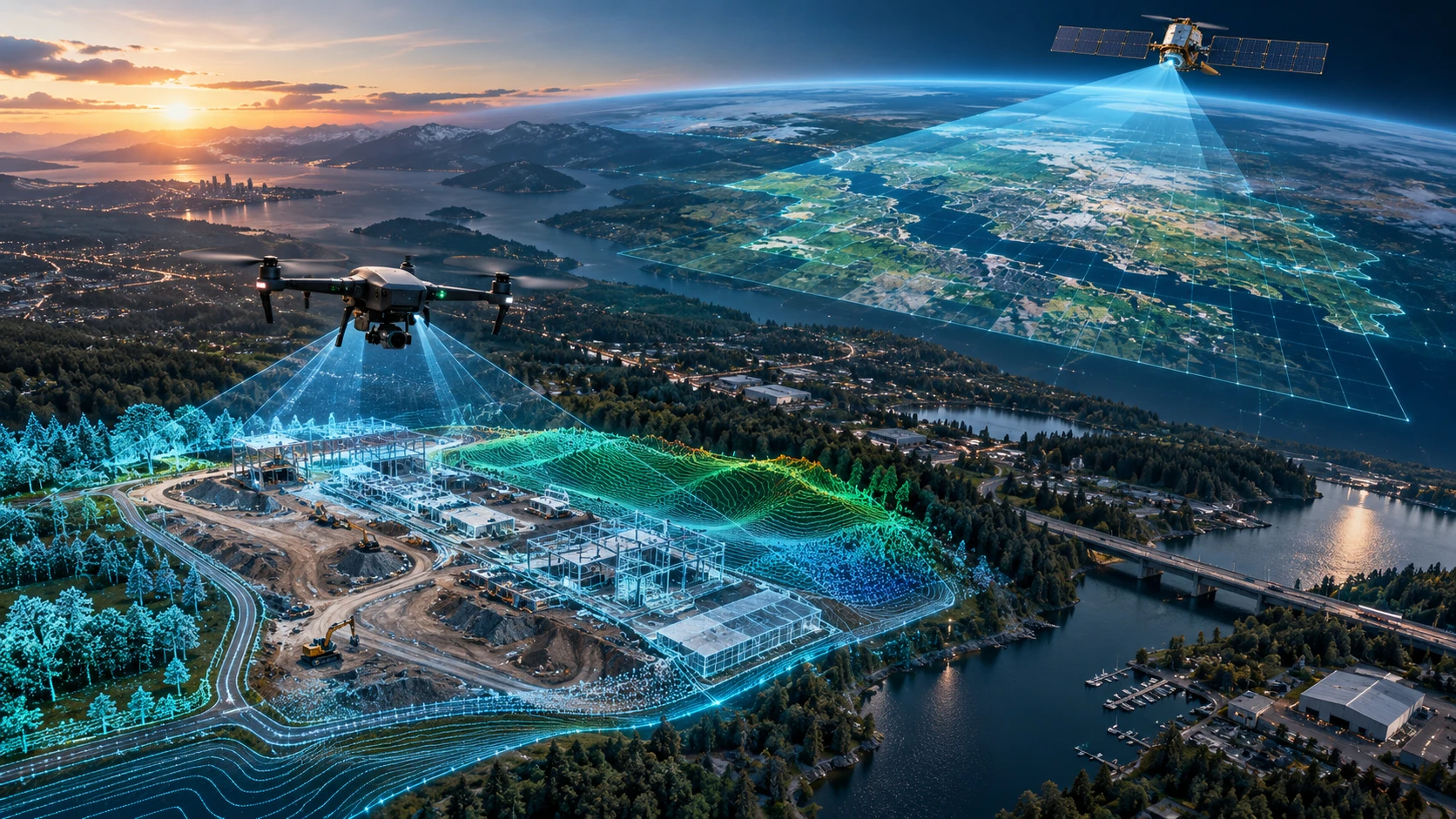
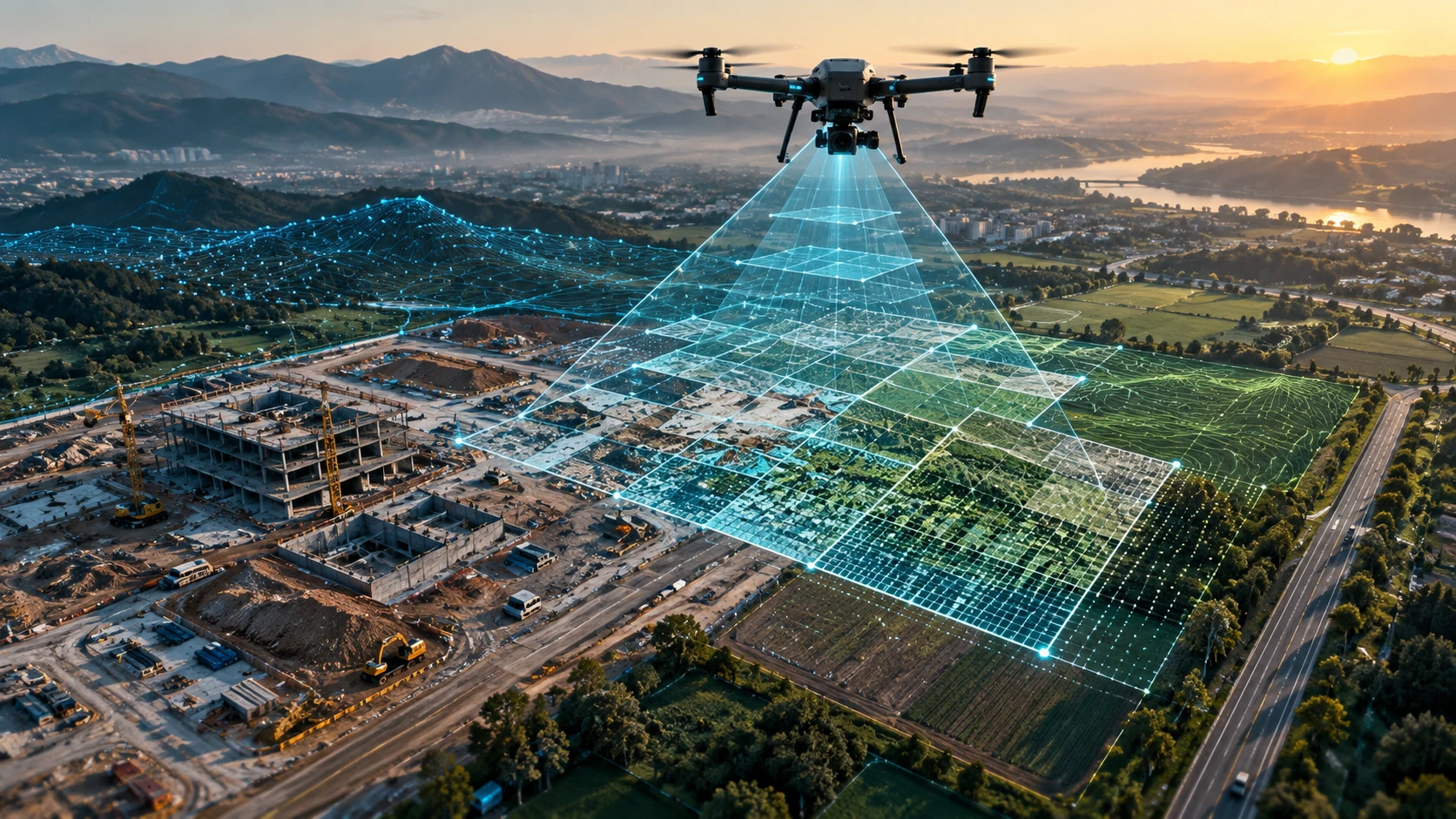
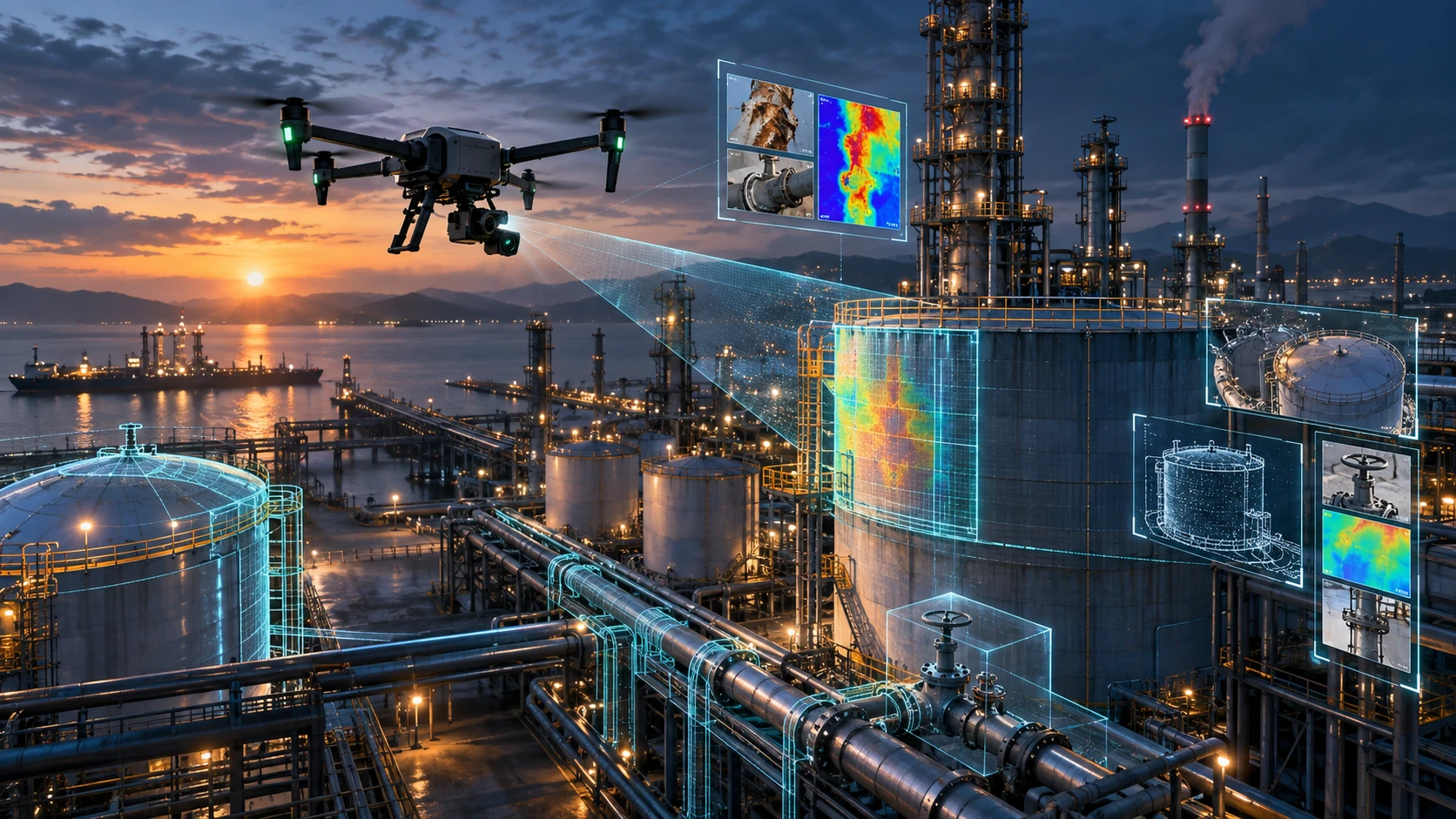
Across surveying, inspections, monitoring, and documentation, drones are replacing manual and hazardous methods. Safety has become one of the strongest reasons organisations shift to drone based operations. Instead of sending personnel into risky environments, drones allow remote, automated, and precise data collection.
Traditional Risks in Field Operations
Field operations often expose workers to:
Unstable terrains
Heights
Heavy machinery
Chemicals
Live infrastructure such as electrical towers and pipelines
Human error, weather changes, and environmental conditions increase chances of accidents.
How Drones Improve Safety
Remote Operation
Pilots can conduct inspections or surveys from the ground without physical exposure to dangerous areas.
Automated Data Capture
Drones can follow programmed routes and avoid errors caused by fatigue or misjudgement.
Precision and Reduced Rework
High accuracy mapping reduces repeated site visits and unnecessary exposure.
Lower Need for Scaffolding, Climbing, or Machinery
In industries like power, telecom, or construction, drones replace risky climbing and rigging activities.
Industry Examples
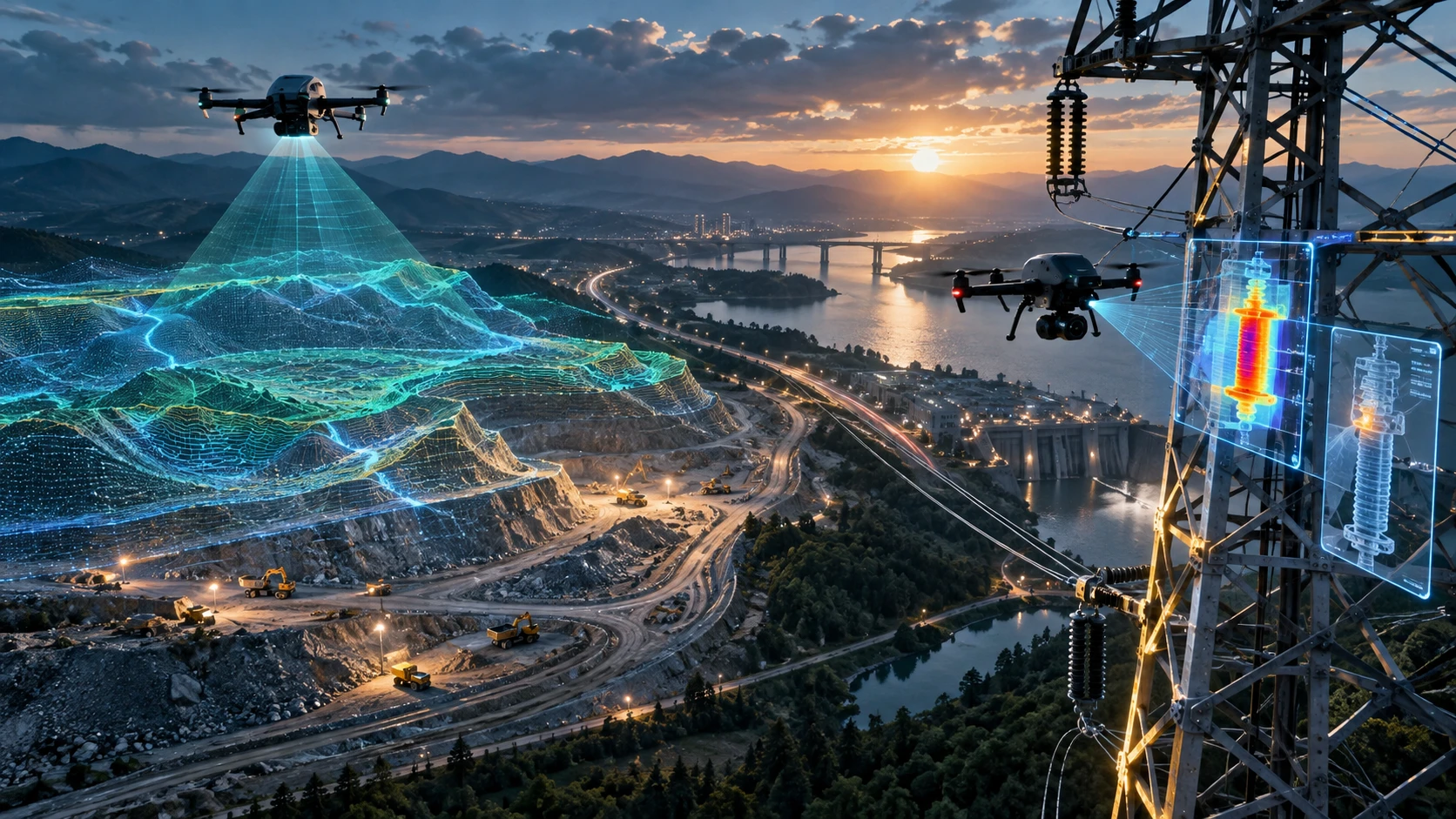
Power sector Inspections of transmission towers and substations are safer through aerial imaging
Mining Stockpile measurements and blast zone analysis are done remotely
Infrastructure Bridge and dam assessments are completed without shutting down access or risking workers
Conclusion
Drones significantly reduce operational risk while improving accuracy and efficiency. As safety regulations strengthen, organisations are adopting drone solutions not only for performance benefits but also for worker protection and compliance.