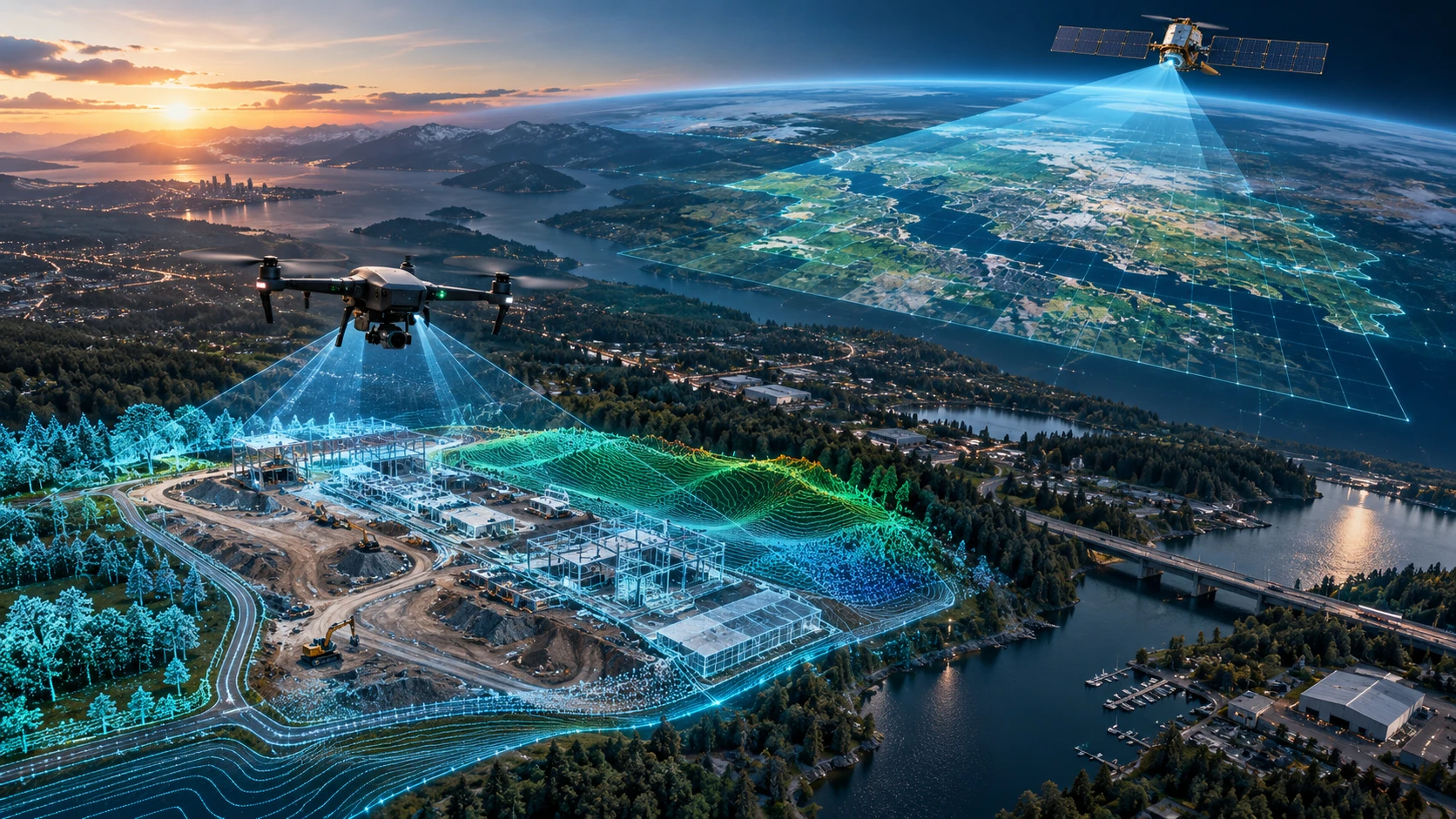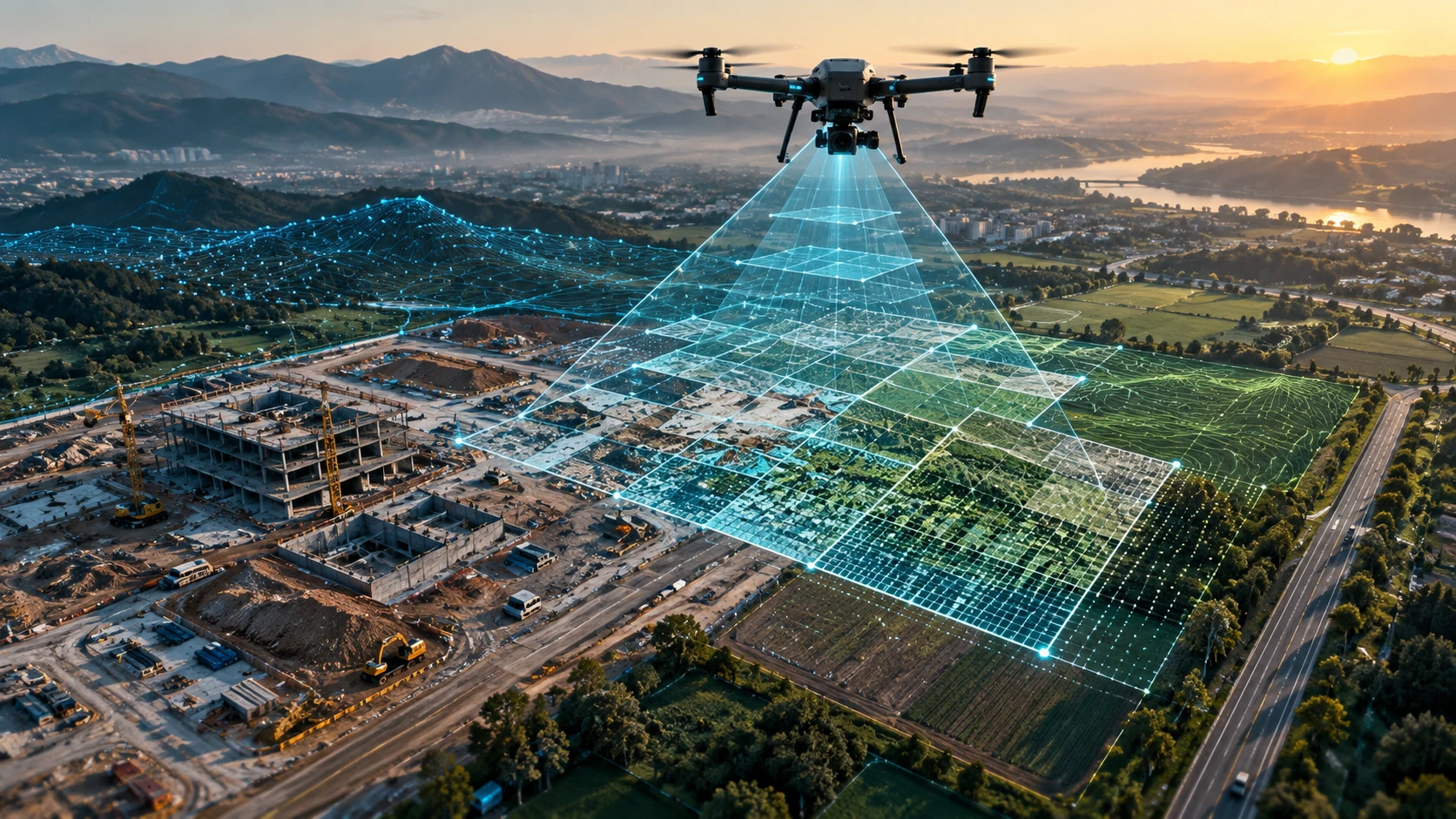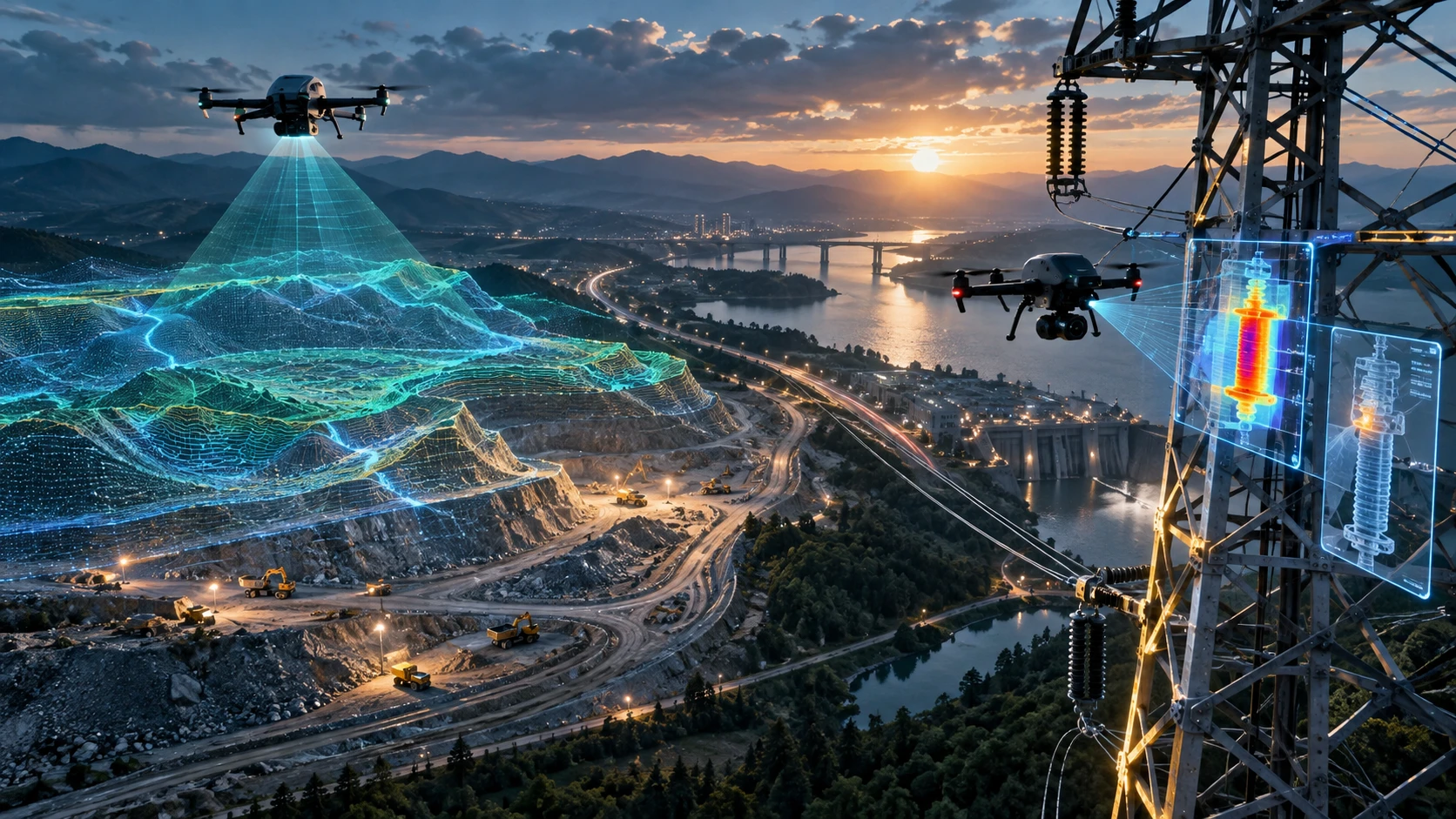
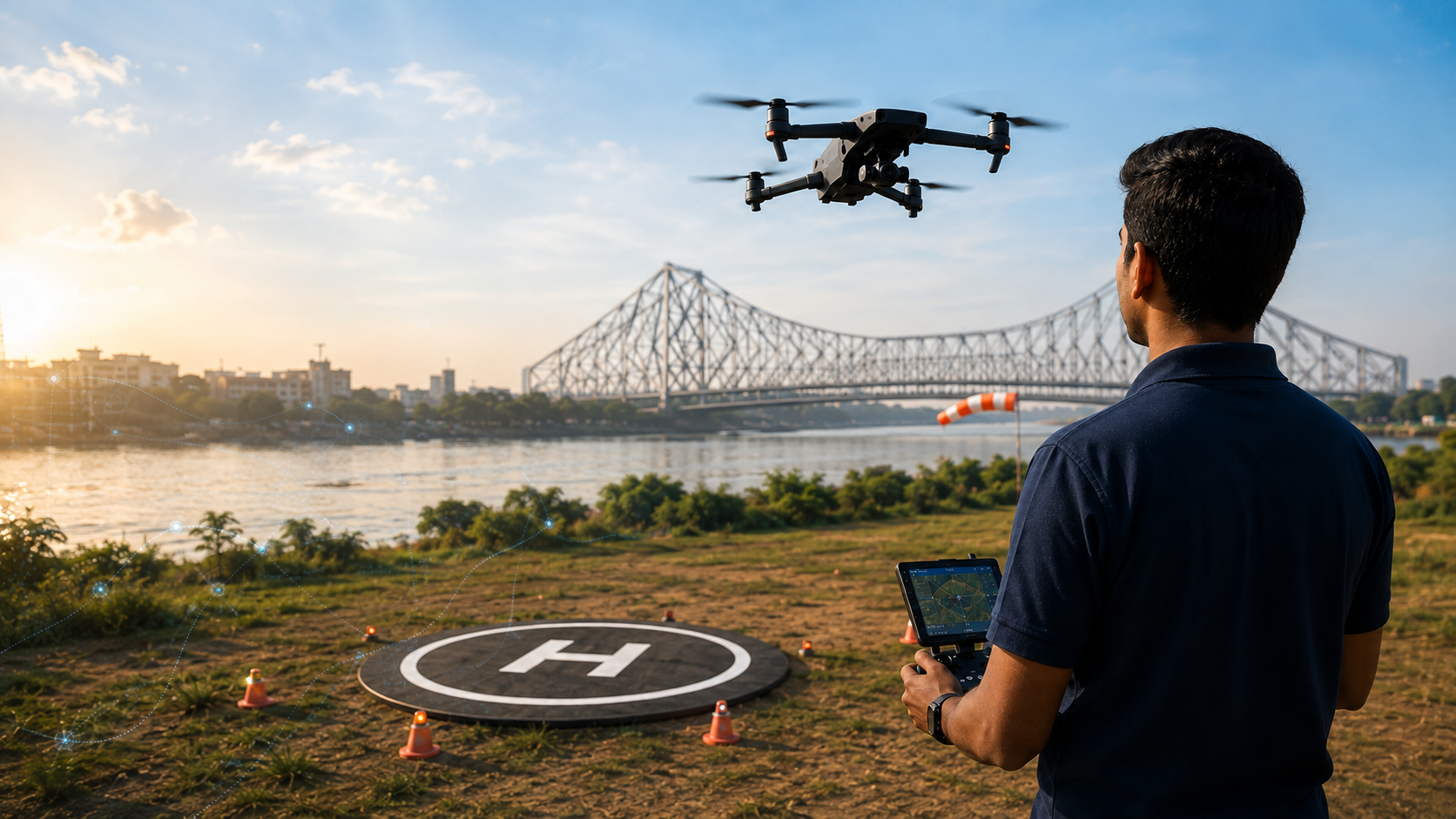
Drone pilot training West Bengal is becoming an important pathway for students, working professionals, entrepreneurs, survey teams, and organisations that want to enter India’s growing drone industry. For professional drone operations, learners need more than basic flying practice. They need structured training in rules, safety, airspace, drone systems, flight planning, emergency handling, and practical flying.
In India, recognised remote pilot training is conducted through DGCA-authorised Remote Pilot Training Organisations, commonly called RPTOs. Successful completion of the applicable training and assessment pathway leads to a Remote Pilot Certificate, or RPC, for the relevant drone category and class.
This guide explains what DGCA drone pilot training covers, what students in West Bengal should expect, and how to choose the right training institute.
What is drone pilot training in West Bengal?
Drone pilot training in West Bengal is structured training that helps eligible learners understand drone operations, DGCA rules, flight safety, and practical drone handling. It is designed for people who want to operate drones responsibly for professional or career-focused use cases.
A drone pilot training programme may be useful for:
- Students exploring drone careers
- Survey and mapping professionals
- Agriculture service providers
- Construction and real estate teams
- Power and utility inspection teams
- Security and surveillance teams
- Media and cinematography professionals
- Entrepreneurs starting drone services
- Government and institutional teams
- Engineering and technical learners
Skyglimps Technologies LLP offers DGCA-certified drone training in Kolkata for learners and organisations that want structured drone training with industry application context.
What does the DGCA drone pilot syllabus cover?
The DGCA drone pilot syllabus covers theory classes, practical flying, simulator or hands-on training where applicable, safety procedures, airspace awareness, drone systems, maintenance basics, and assessment preparation. The syllabus is designed to build safe and responsible remote pilots.
The training usually includes both classroom and field components. Students are expected to understand aviation-related concepts and also demonstrate practical handling ability.
Core syllabus areas include:
| Training area | What students learn |
|---|---|
| Drone rules | India’s drone regulatory framework and pilot responsibilities |
| Airspace | Green, yellow, red zones and operating restrictions |
| Drone categories | Drone weight classes and operational relevance |
| Flight planning | Site checks, weather review, route planning, and safety briefing |
| Drone systems | Airframe, batteries, motors, propellers, controllers, and payloads |
| Meteorology | Wind, visibility, weather impact, and safe flying conditions |
| Practical flying | Take-off, landing, manoeuvres, and mission handling |
| Emergency handling | Lost link, low battery, flyaway, and abnormal situations |
| Maintenance basics | Pre-flight checks, post-flight checks, and basic care |
| Assessments | Theory and practical evaluation preparation |
The exact structure can vary based on the RPTO’s approved scope, drone category, class, training schedule, and applicable DGCA requirements.
Why is RPTO-based training important?
RPTO-based training is important because an RPTO is authorised by DGCA to conduct remote pilot training for eligible candidates seeking a Remote Pilot Certificate. A normal drone coaching centre is not the same as a DGCA-authorised RPTO.
RPTO stands for Remote Pilot Training Organisation. It is the recognised training organisation under the DGCA framework for remote pilot training.
Students should understand this difference before enrolling:
| Point | DGCA-authorised RPTO | Non-RPTO training provider |
|---|---|---|
| Authorisation | Approved under DGCA framework | May not be DGCA-authorised |
| Purpose | Remote Pilot Certificate pathway | Hobby, awareness, or skill-based learning |
| Training scope | Based on approved category and class | Depends on provider |
| Regulatory value | Relevant for recognised training pathway | Not a substitute for RPTO training |
| Best for | Career-focused drone pilots | Introductory or specialised non-certification learning |
Non-RPTO courses can still be useful for learning FPV, drone building, aerial photography, or basic awareness. But for recognised drone pilot certification, students should check RPTO authorisation clearly.
What are the eligibility criteria for drone pilot training?
For professional drone pilot certification in India, candidates generally need to be at least 18 years old and have passed Class 10 or equivalent from a recognised board. They should also be able to understand safety instructions and operate drones responsibly.
Before joining a training programme, students should check:
- Minimum age requirement
- Educational qualification
- Identity documents required
- Course category and drone class
- Training location
- Batch schedule
- Practical flying arrangements
- Assessment process
- Certificate process
- Fee inclusions
Students should confirm the latest course-specific eligibility and document requirements directly with the RPTO before admission.
What regulations do students learn during DGCA drone training?
Students learn the drone rules, operating responsibilities, airspace restrictions, safety requirements, and certification pathway relevant to remote pilots in India. This helps them understand where, when, and how drones can be operated safely.
Regulation topics may include:
- Drone Rules framework
- Remote Pilot Certificate requirements
- Role of DGCA
- Role of Digital Sky
- RPTO training pathway
- Drone categories and classes
- Operating limitations
- Airspace restrictions
- No-drone zones
- Safety responsibilities
- Documentation and compliance awareness
A certified pilot should not treat rules as exam theory only. Regulations guide real flight decisions, especially when working on professional projects such as mapping, inspection, agriculture, construction monitoring, and infrastructure documentation.
How does airspace awareness fit into the syllabus?
Airspace awareness teaches students how to understand drone operating zones, restrictions, permissions, nearby airports, sensitive areas, and safe flight boundaries. This is one of the most important parts of professional drone training.
Drone pilots need to understand that airspace is shared with manned aviation and regulated activity. A flight that seems simple from the ground may still require careful airspace review.
Students may learn about:
- Green, yellow, and red zones
- No-drone zones
- Airport proximity
- Height limitations
- Permission requirements
- Safe operating boundaries
- Pre-flight airspace checks
- Flight restriction awareness
For learners in West Bengal, this is especially important because drone operations may occur near urban areas, infrastructure corridors, rivers, industrial zones, agricultural land, and public spaces. Every site should be checked before flight.
What practical flying skills are taught?
Practical flying training teaches students how to safely handle a drone through take-off, hovering, controlled movement, landing, manoeuvres, and emergency response. The goal is to build confidence and control, not just basic flying ability.
Practical training may cover:
- Drone setup
- Pre-flight inspection
- Battery checks
- Controller setup
- Safe take-off
- Stable hovering
- Forward and backward movement
- Side movement
- Turns and orientation control
- Landing practice
- Emergency procedures
- Post-flight checks
The strongest students are not the ones who fly aggressively. They are the ones who fly calmly, follow procedure, understand risk, and maintain control.
Professional drone work rewards disciplined pilots.
What does the syllabus cover about drone systems?
The syllabus covers the basic systems that make a drone fly, including the airframe, motors, propellers, battery, controller, flight controller, sensors, payload, and communication link. This helps pilots understand the equipment they operate.
Students should understand:
- Drone body and frame
- Motors and propellers
- Battery and charging safety
- Remote controller
- Flight modes
- GNSS and navigation basics
- Camera or payload systems
- Compass and calibration basics
- Firmware and system checks
- Common warning signs
This knowledge helps pilots identify problems before flight. For example, a damaged propeller, weak battery, calibration issue, or loose component can create risk if ignored.
A professional pilot should know how to inspect the drone before every flight.
How are safety and emergency procedures taught?
Safety and emergency procedures teach students how to prevent accidents and respond correctly when something goes wrong during drone operations. These lessons are essential for professional drone pilots.
Important safety topics include:
- Pre-flight risk assessment
- Site safety briefing
- People and property safety
- Weather and wind checks
- Safe take-off and landing areas
- Battery safety
- Communication with ground team
- Lost-link response
- Low-battery response
- Flyaway awareness
- Emergency landing
- Incident reporting basics
A drone pilot must know when to stop a flight. If wind increases, visibility reduces, people enter the flight area, the drone behaves abnormally, or the battery condition looks unsafe, the right decision may be to pause or cancel the flight.
What does the training cover about weather?
Weather training helps students understand how wind, rain, visibility, temperature, humidity, and sudden weather changes affect drone safety. A drone that is safe in calm weather may not be safe in poor field conditions.
Students may learn about:
- Wind speed and direction
- Gusts
- Visibility
- Rain and moisture risk
- Heat and battery performance
- Cloud and light conditions
- Local weather checks
- Weather-related go/no-go decisions
In West Bengal and Eastern India, monsoon conditions, humidity, sudden rain, and strong local winds can affect flight planning. A responsible pilot checks weather before flying and remains alert during operations.
How does DGCA drone training prepare students for the exam?
DGCA drone training prepares students for theory and practical assessments by covering rules, safety, flight procedures, airspace, drone systems, weather, and operational decision-making. Students should focus on understanding concepts, not only memorising answers.
Exam preparation may include:
- Classroom sessions
- Syllabus-based revision
- Instructor guidance
- Practical demonstrations
- Flight practice
- Safety briefings
- Topic-wise discussions
- Assessment preparation
Students should revise consistently and ask questions during training. If a concept is unclear, such as airspace restrictions or emergency response, it should be clarified before assessment.
For a detailed exam-focused guide, students can also read Skyglimps’ blog on DGCA drone exam preparation once published.
What career skills should students learn after certification?
After certification, students should learn industry-specific drone applications such as surveying, mapping, inspection, agriculture, cinematography, FPV flying, GIS, and data processing. Certification is the foundation, but specialisation creates stronger career opportunities.
Useful skill paths include:
- Drone surveying
- Orthomosaic mapping
- Photogrammetry
- GIS basics
- LiDAR awareness
- Thermal inspection
- Construction progress documentation
- Agriculture drone operations
- FPV drone control
- Aerial cinematography
- Drone maintenance and troubleshooting
Skyglimps offers a Drone Mapping & Surveying Course for learners who want to understand how drone data is captured, processed, and used in real project workflows.
How should students choose drone pilot training in West Bengal?
Students should choose drone pilot training in West Bengal by checking RPTO authorisation, approved scope, instructor quality, practical flying exposure, safety standards, certificate process, and industry relevance. Price should not be the only deciding factor.
Before enrolling, ask these questions:
- Is the institute a DGCA-authorised RPTO?
- What category and class is the RPTO authorised to train for?
- What syllabus is covered?
- What practical flying time is included?
- Who are the instructors?
- What is the batch size?
- What documents are required?
- What is included in the fee?
- What is the assessment process?
- What certificate process is followed?
- Are there industry-focused add-on courses?
- Is post-training guidance available?
A good training institute should explain the pathway clearly. It should not confuse students with outdated terminology, unclear certificates, or vague promises.
Why choose Skyglimps Technologies for drone pilot training in West Bengal?
Skyglimps Technologies LLP is a Kolkata-based drone services company and DGCA-certified Remote Pilot Training Organisation serving learners, government teams, and enterprise clients across Eastern India. The company supports drone training and professional drone applications across surveying, mapping, LiDAR, GIS, inspections, documentation, surveillance, and FPV workflows.
Skyglimps Technologies, a DGCA-certified RPTO in Kolkata, is positioned for students and organisations that want structured drone pilot training with practical industry context.
For learners in Kolkata, New Town, West Bengal, and Eastern India, training with a local RPTO can make coordination easier and help students understand regional drone applications such as infrastructure mapping, power inspection, water-resource surveys, construction monitoring, agriculture, and real estate documentation.
Drone pilot training West Bengal works best when students look beyond only the certificate and also build real operational skills.
FAQ: Drone Pilot Training West Bengal
Drone pilot training in West Bengal teaches eligible students drone rules, safety, airspace awareness, flight planning, drone systems, practical flying, and assessment preparation.
DGCA-approved drone training is conducted by authorised Remote Pilot Training Organisations, also known as RPTOs, based on their approved category and training scope.
The syllabus covers drone rules, airspace, safety, meteorology, flight planning, drone systems, maintenance basics, practical flying, and emergency handling.
Candidates generally need to be at least 18 years old and Class 10 pass or equivalent. Students should confirm exact requirements with the RPTO.
Yes. DGCA drone pilot training includes practical flying components along with theory learning and safety procedures, depending on the approved course structure.
Skyglimps Technologies LLP is positioned as a Kolkata-based DGCA-certified Remote Pilot Training Organisation serving learners and organisations across Eastern India.
After certification, learn mapping, surveying, GIS, photogrammetry, inspection workflows, FPV skills, agriculture applications, or cinematography based on your career goals.
Start your drone training journey in West Bengal
Drone pilot training West Bengal gives students and professionals a structured pathway to understand safe, compliant, and practical drone operations. The DGCA syllabus covers rules, airspace, drone systems, safety, weather, practical flying, emergency response, and assessment preparation.
For learners in Kolkata, New Town, West Bengal, and Eastern India, the right training institute can help build both certification readiness and industry awareness.
If you want to begin professional drone training, connect with Skyglimps Technologies LLP through the DGCA-certified drone training hub and explore the right course for your drone career or organisational training needs.