Introduction
As drones move from hobby grade devices to industrial tools, proper training becomes essential. DGCA mandates formal certification for pilots operating drones above nano category. The only way to obtain this certification legally is through a DGCA approved Remote Pilot Training Organisation. Training from an authorised RPTO is not just a requirement, but a necessary step to ensure safe, reliable, and professional operations.
Why RPTO Training Matters
Legal Compliance
Flying a drone commercially in India without DGCA authorisation is equivalent to flying an aircraft without a licence. Choosing an RPTO ensures that your training meets government standards and is recognised on the Digital Sky platform.
Safety Knowledge and Practical Skills
RPTO training provides essential knowledge in:
Emergency handling
Weather impact on flights
Battery safety
Equipment health monitoring
Takeoff and landing procedures
These skills prevent costly and dangerous mistakes.
Industry Recognition
Certified drone pilots are preferred in sectors such as:
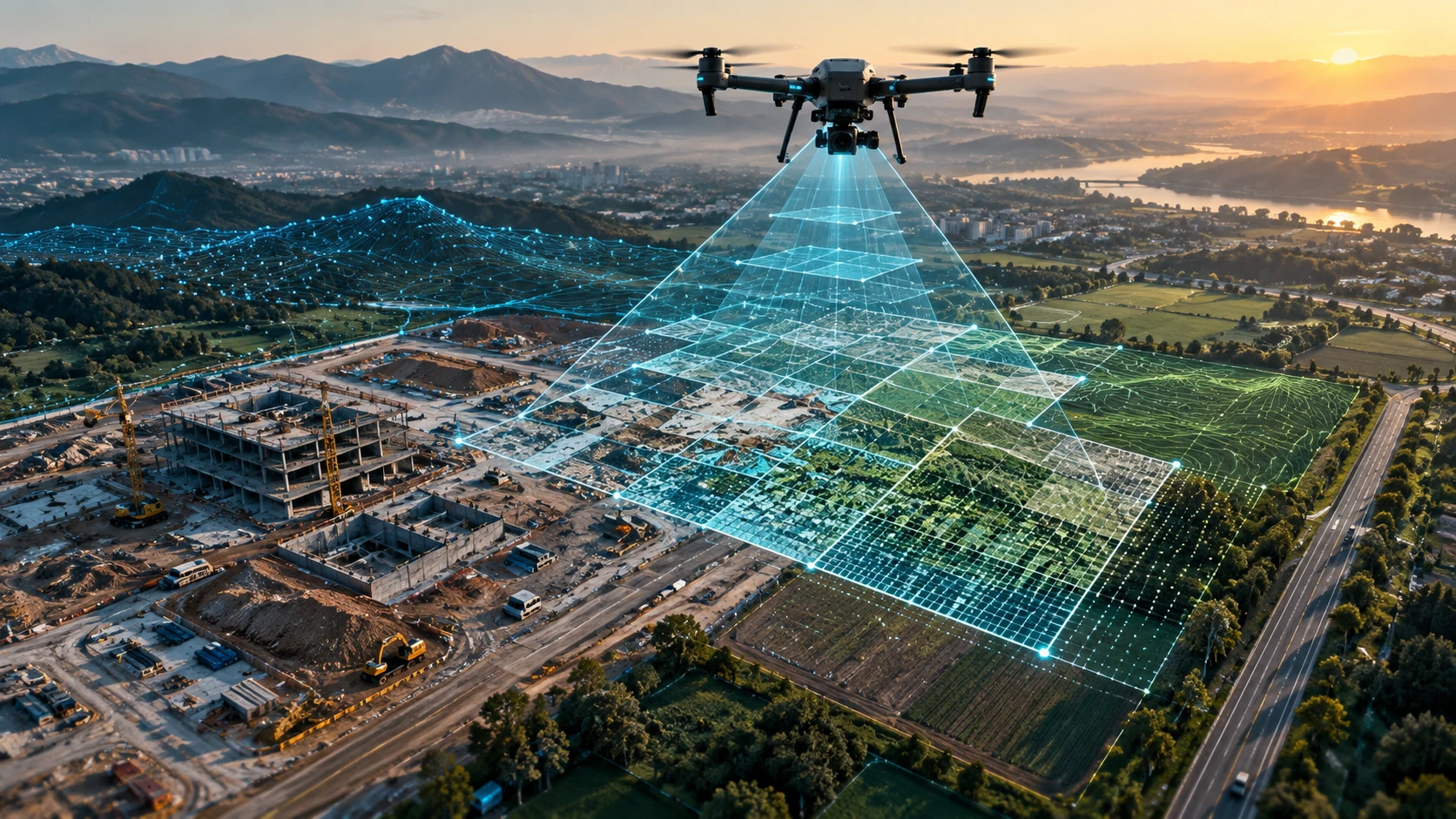
Surveying and mapping
Precision agriculture
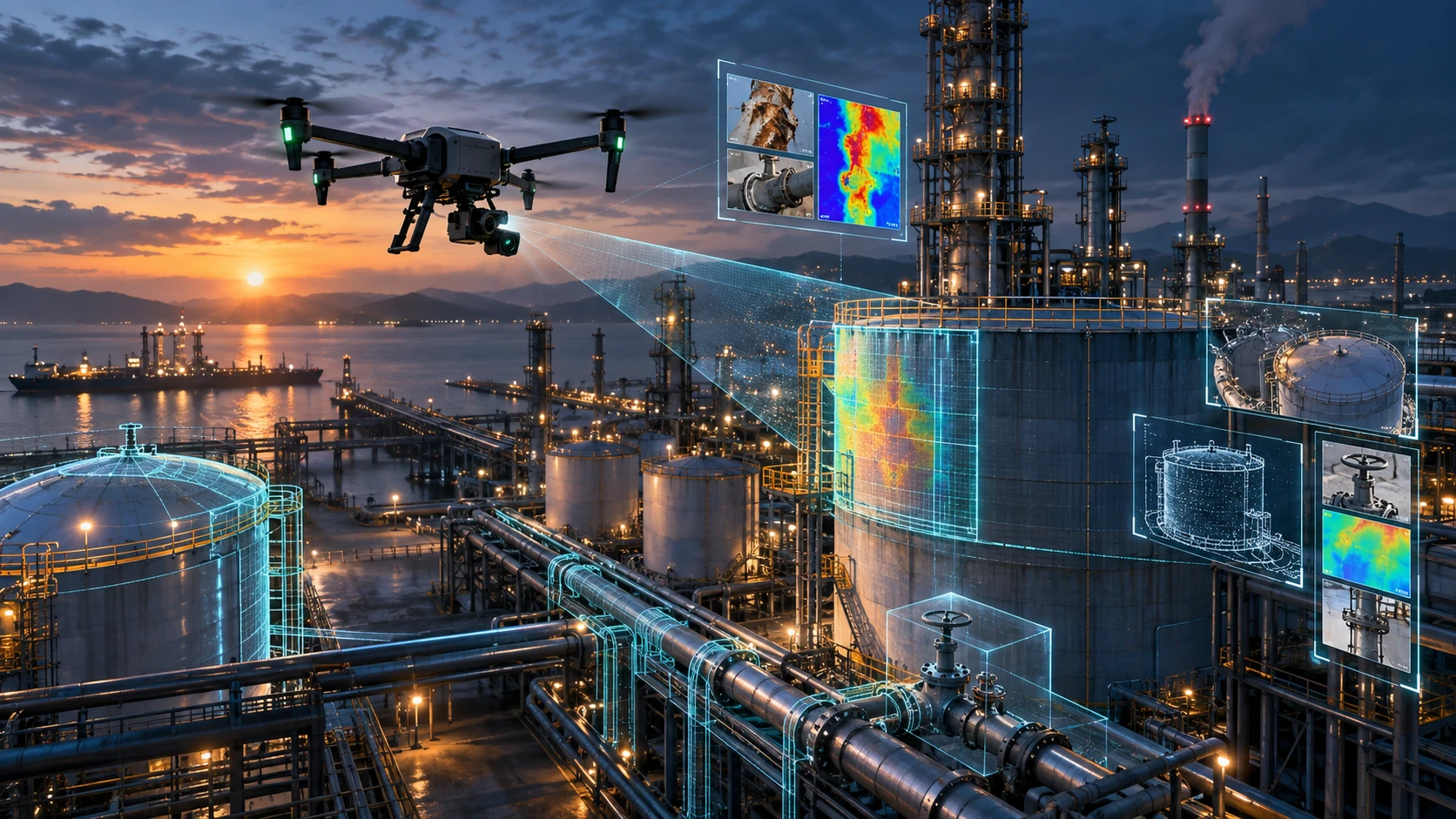
Renewable energy inspections
Disaster management
Cinematography
Employers and government agencies trust RPTO trained pilots because of the skills and compliance assurance they bring.
Access to Better Equipment and Real Flying Conditions
RPTOs are equipped with simulators, licensed drones, and controlled airspace to ensure safe hands on training. This experience builds confidence and competence.
Choosing the Right RPTO
Factors to consider include:
DGCA approval status
Training environment and field area
Instructors with operational experience
Track record of pilot success
Availability of advanced training modules
Conclusion
Training from a DGCA approved RPTO ensures legal compliance, industry credibility, and proper operational skill. It is an investment in safety, professionalism, and long term career growth in one of India’s most promising technology ecosystems.